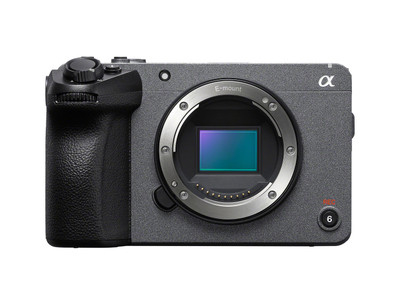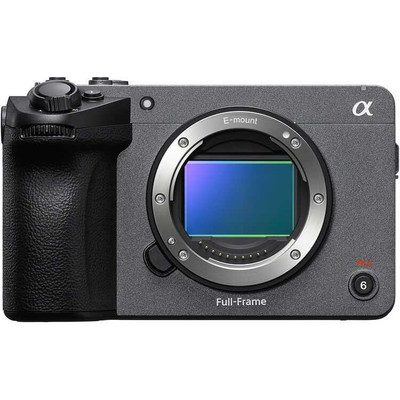


The Sony FX5 is designed as a compact yet highly capable cinema camera that brings advanced imaging technology into a portable form factor suited for modern production workflows. It sits strategically between the Sony FX3 and the Sony FX6, offering a balance of mobility and professional-grade performance. Built for filmmakers, content creators, and commercial shooters, it focuses on delivering strong image quality, flexible recording options, and efficient usability without the size and complexity of larger cinema systems.
 |
 |
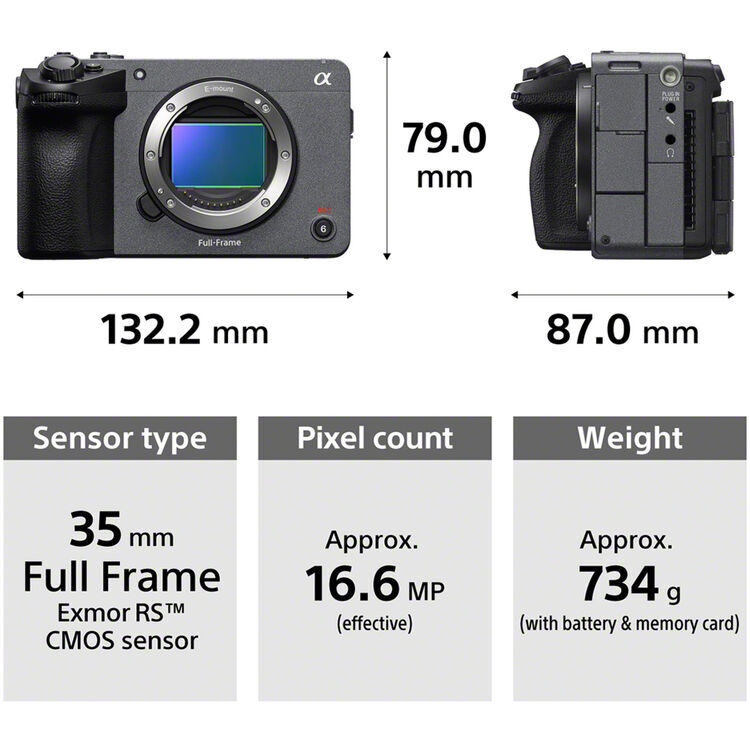
At its core, the camera features a 16.6-megapixel full-frame stacked Exmor RS CMOS sensor with a 5K resolution, paired with a BIONZ XR2 processor and an integrated AI unit. This combination enhances autofocus performance and improves automatic white balance, while enabling 5K Open Gate recording in a 3:2 aspect ratio at up to 60 frames per second. It also supports internal X-OCN recording in LT, C1, and C2 formats, providing efficient workflows alongside high image fidelity. The system delivers more than 16 stops of dynamic range and incorporates a triple base ISO structure at 800, 4000, and 12800, allowing it to perform reliably across a wide range of lighting conditions.
 |
 |
One of the defining aspects of the FX5 is its introduction of a next-generation stacked sensor, which enables faster readout speeds and improved overall image performance compared to both the FX3 and FX6. The inclusion of internal 5K Open Gate capture gives creators greater flexibility in reframing and post-production, while the AI-assisted imaging pipeline contributes to more accurate subject tracking and color reproduction. The redesigned “BIG 6” menu system and updated control layout are intended to streamline operation and make the camera more intuitive during production.
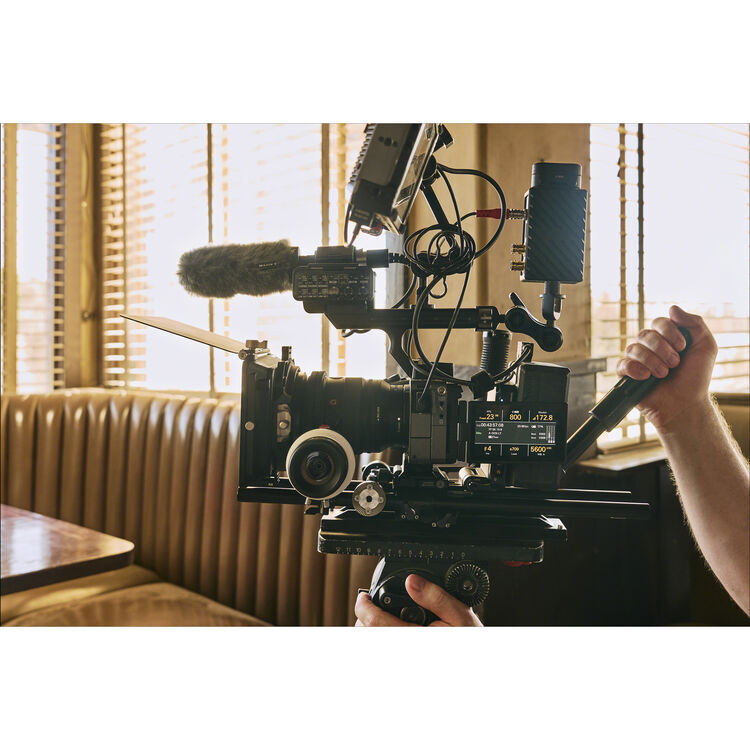
In practical use, the FX5 is built to handle demanding shooting environments by combining high-resolution capture with efficient codecs and strong dynamic range. Its ability to retain detail in both highlights and shadows, along with solid low-light performance, makes it suitable for a wide range of professional applications. The internal X-OCN recording format further supports high-quality output while keeping file sizes manageable, which is especially useful for workflows that require both quality and efficiency.
The physical design emphasizes usability and flexibility. The compact body resembles the FX3 in portability but incorporates cinema-oriented controls inspired by the FX6, including a new multi-function dial for quicker adjustments. The updated menu system improves navigation speed, making the camera practical for both solo operators and small crews who need to work quickly and efficiently without sacrificing control.
For monitoring and exposure control, the FX5 includes a 3.5-inch multi-angle touchscreen LCD with a 16:9 aspect ratio and optional support for an electronic viewfinder. It integrates professional monitoring tools such as false color, waveform, vectorscope, and focus map, along with anamorphic de-squeeze support. These built-in tools reduce the need for external monitoring equipment while still providing precise feedback for accurate shooting.
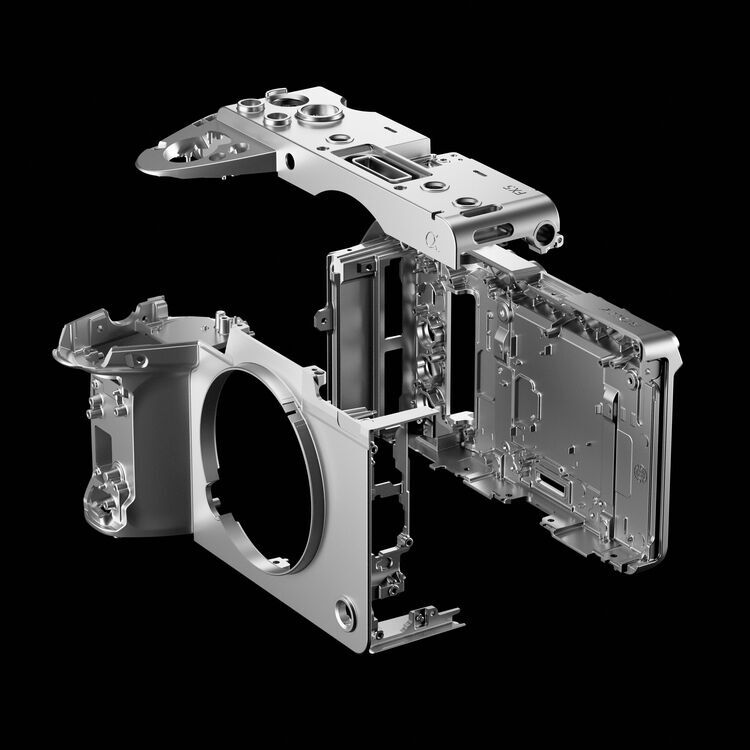
Connectivity and media options are equally robust, with dual CFexpress Type A and SD card slots, full-size HDMI, dual USB-C ports, Ethernet, and standard audio inputs for microphones and headphones. The camera uses the NP-SA100 battery, which provides over two hours of runtime, supporting longer shooting sessions without frequent battery changes.
Within Sony’s lineup, the FX3 remains more hybrid-oriented with stills capability and Alpha-style operation, while the FX6 offers more extensive production features such as SDI output and built-in ND filters. The FX5 positions itself between these two, acting as a balanced cinema tool that combines advanced sensor technology, internal RAW recording, and a compact design.
Overall, the FX5 is aimed at filmmakers and creators who need high-end image quality in a smaller, more flexible system. It delivers a combination of mobility and performance that makes it particularly suitable for commercial work, documentaries, and productions where a lightweight setup is essential. The camera ultimately stands out as a well-balanced option in its class, offering more capability than the FX3 while maintaining greater portability than the FX6.