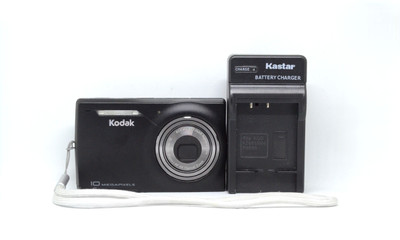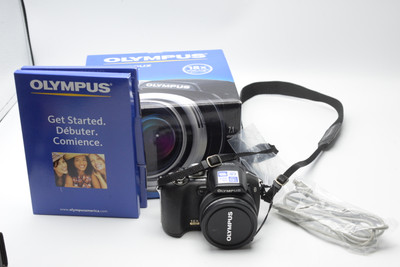


100-DAY WARRANTY, Camera is in excellent working condition,
I took few images in store with it and for a 1999 camera it performed really well, little slow but images for indoor shooting with flash surprised me, i love the design, it fits really well in your hand and it is built solid, camera works with 4 AA batteries(included) i also including a 256mb card(camera will not accept bigger CF cards) strap and lens cap is also included, lens optics are clean and zoom works well but little slow because of technology 26 years ago. Yes, the Kodak DC290 digital camera uses a CCD (Charge-Coupled Device) sensor, specifically a 2.1-megapixel (effective) sensor that captures images at resolutions like 1792x1200 pixels, with an interpolated "ultra" mode reaching 3.3 megapixels. sample images from this camera are included in my pictures. We recommend to buy a CF card reader to download images to your computer. Lots of people believe CCD sensor are more organic and the images are closer to film quality. The Kodak DC290 Zoom was a high-end digital camera released in 1999, known for its 2.1MP sensor, 3x optical zoom, USB/Serial connectivity, and advanced features like interpolation to 3MP, voice recording, and support for CompactFlash cards, offering prosumer capabilities with features like burst mode, audio, and time-lapse for its era. Key Features & Specs: Resolution: ~2.1 Megapixels (interpolated up to 3MP/2240x1500). Lens: Kodak Ektanar lens with 3x Optical Zoom. Storage: Uses CompactFlash (CF) cards. Connectivity: USB and Serial ports for computer transfer. Display: 1.8-inch LCD screen. File Formats: JPEG and uncompressed TIFF. Special Features: Continuous shooting, voice recording, external flash sync, Digita Scripting support. Era: A flagship "prosumer" model from Kodak in 1999, packed with contemporary technology. In its time, it was innovative for offering: Rapid burst shooting. Audio recording. Time-lapse functions. Custom scripting via the Digita platform, making it highly versatile. The DC290 represented Kodak's push into higher-end digital photography before the market shifted dramatically, making it a significant piece of early digital camera history.